
We preach in hopes that you will learn and live more fully for the glory of God.
WATCH/LISTEN LIVE
VISIT SUNDAY

People often desire God’s advice for life’s decisions: who to marry, where to live, what job to take, etc. But, is God really concerned with these things or does he just care that we follow the rules he has already given us in the Bible? This sermon seeks to answer the question, “Does God offer advice for everyday decisions?”

One of the most common and important questions that is asked about God is why he, if so loving, would allow bad things to happen to good people. In the Bible, a very good and godly man named Job experiences extreme tragedy – he loses his wealth, children, and health. In the book that is named after him the question of why God would allow this to happen is pondered. In this sermon series, those ponderings are explored so that we may grapple more full with the question of why God allows bad things to happen to good people.

Humanity can understand some really powerful things – tigers, rockets, the sun, etc. In Ephesians 1:15-23 Paul tells us of a power that is greater than all of those. The power he writes about is so great that it exceeds what we can comprehend. This sermon explains that power and how, through it, we can accomplish amazing things, both individually and within the context of church.

There are many misconceptions about what church is and what church must be. There are equally as many misconceptions about its roles and importance in the lives of people. These types of misconceptions often make church look bad, boring, or unimportant. This shouldn’t be the case. This is a sermon series about church – what God commands of it and how you should participate.
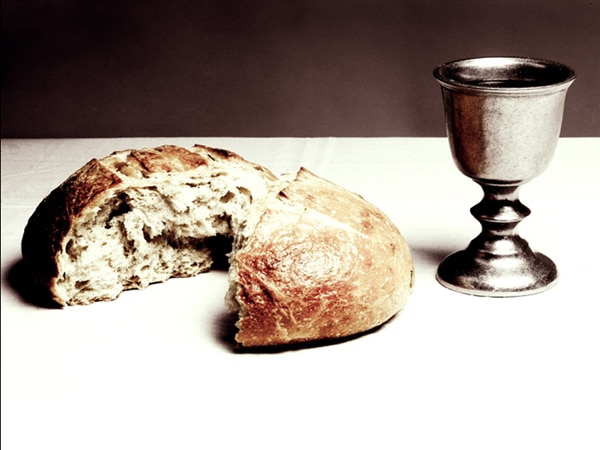
In 1 Corinthians 11:17 Paul says to the church in Corinth that some of their church meetings are doing “more harm than good.” This is a pretty harsh statement and one that seems contrary to are thinking about church – that going is always better than not going. So, what could make a church meeting do more harm than good? The answer, taking Communion in an unworthy manner. What does it mean to take Communion in an unworthy manner? Listen to this sermon to find out; you will probably be surprised by what you hear.
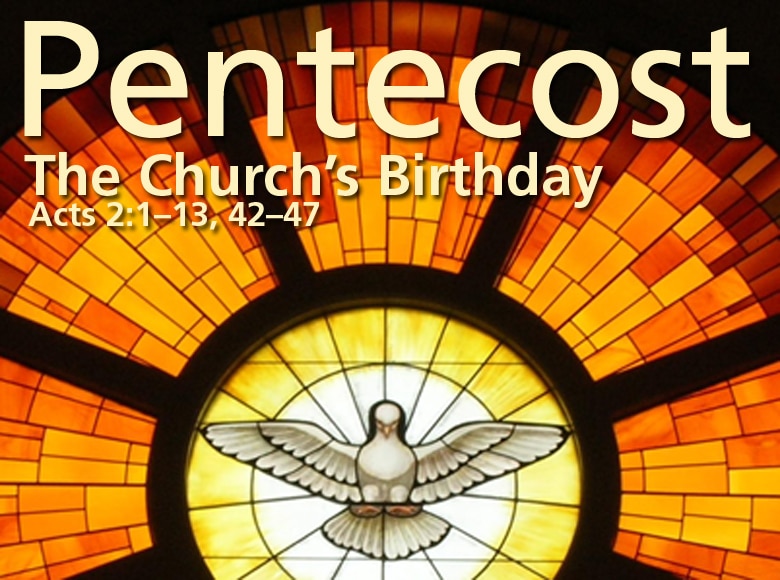
This sermon provides reasoning for the celebration of The Church’s birthday. The reasons flow from what The Church is at its core and what it provides to those who choose to be apart of it.

In 1 Corinthians 11:17 Paul says to the church in Corinth that some of their church meetings are doing “more harm than good.” This is a pretty harsh statement and one that seems contrary to are thinking about church – that going is always better than not going. So, what could make a church meeting do more harm than good? The answer, taking Communion in an unworthy manner. What does it mean to take Communion in an unworthy manner? Listen to this sermon to find out; you will probably be surprised by what you hear.

When sin entered into the world, death came with it. When death entered into the world people started focusing on making their lives on earth as good as possible. This continues in the world today. People make their decisions based on few years of life they have been given. In this sermon we see that Jesus’ resurrection conquered death and made eternal life possible. This should change people’s perspective on time and altar the decisions people make in the present.

A Palm Sunday Sermon on Matthew 21:1-11 that teaches how Jesus did not see a distinction between Palm Sunday, Good Friday, and Easter. He was the Coming King who set things right and offered salvation when He entered Jerusalem, when He died on a cross, and when He rose from the dead.
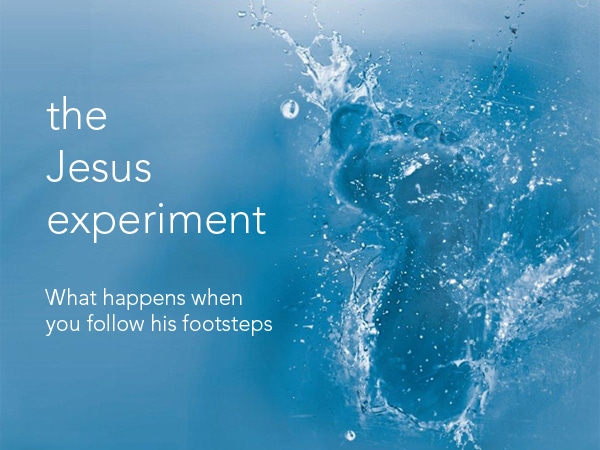
The Jesus Experiment is an invitation for people to become like Jesus in their feelings, thoughts, words and deeds. Each week they’ll focus on a different aspect of Jesus’ life, including how he faced his fears, how he talked with God, how he overcame evil, how he helped the vulnerable and others. We will begin to discover through our sermons and the book of the same name, how Jesus felt, thought, spoke and acted in specific situations. During the week as they face a similar situation, people will examine their own feelings, thoughts, words and deeds and compare them to Christ’s. Next, people will ask God to conform them into the likeness of Jesus. This isn’t just a sermon series, it is a concentrated effort to become more like Jesus.